


University of Florida’s Illegal Encampment
Adminstration follows through with stiff consequences
University of Florida’s Illegal Encampment
Adminstration follows through with stiff consequences
Share:

Five Days to Comply
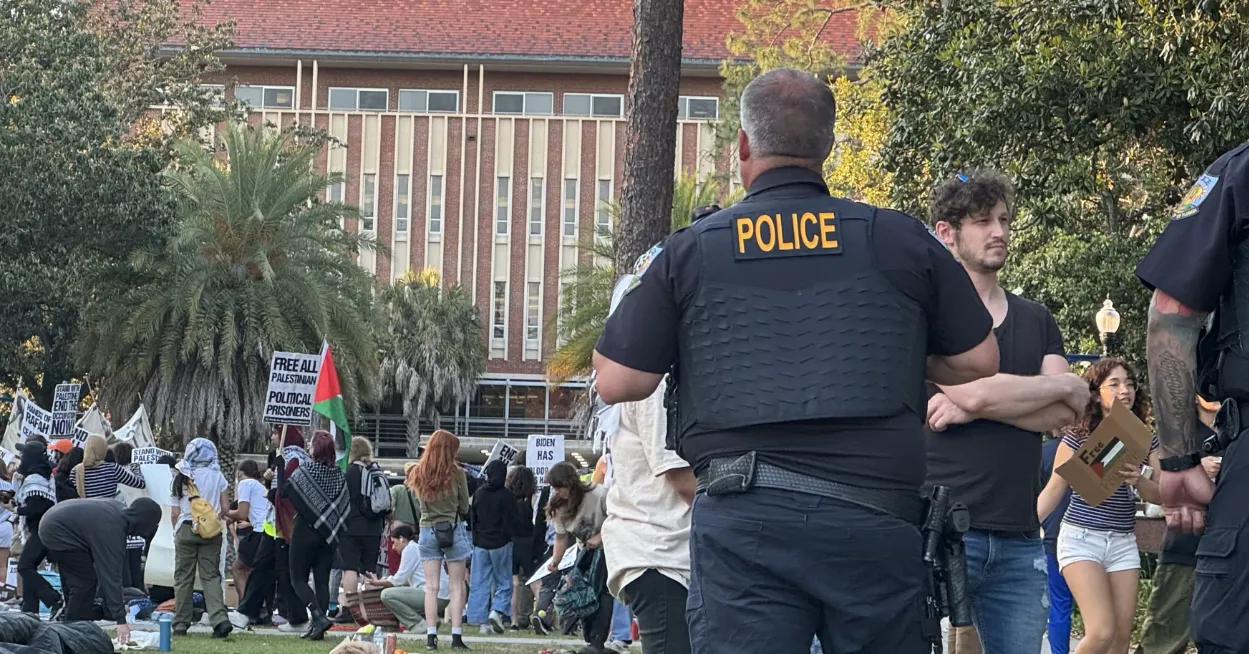
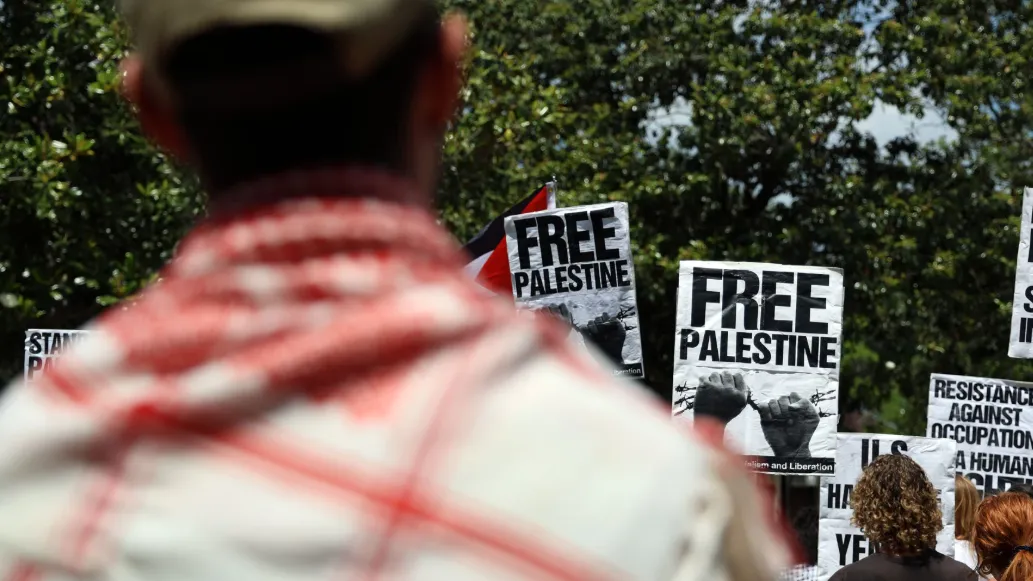
Nine pro-Palestinian protesters were arrested at the University of Florida (UF) on April 29, 2024, following a five‑day illegal occupation of a designated free speech area of campus.
Beginning on the second day of the protest and repeatedly throughout the occupation of the “Plaza of the Americas,” administrators warned the protesters that they were breaking university rules.
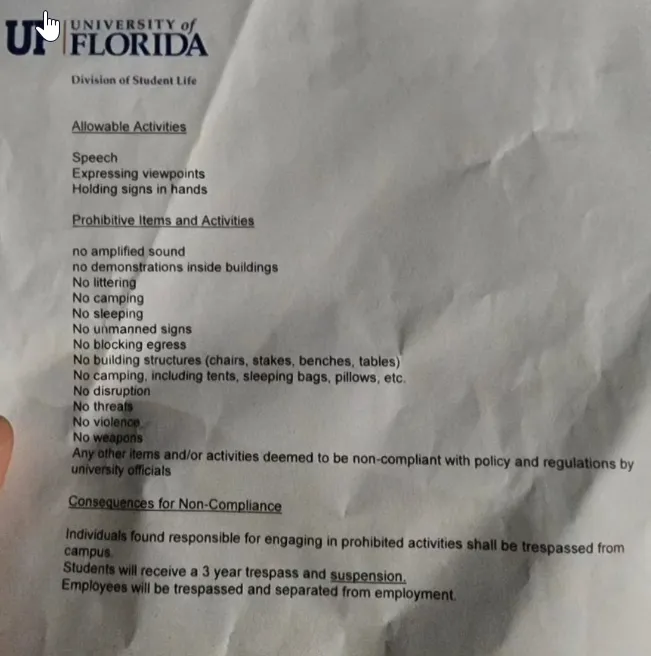
Those rules, some of them new, were delineated on flyers handed out by administrators. The rules prohibited sleeping, setting up chairs, benches, tables, stakes, tents or other camping structures, sleeping bags, pillows, amplified sound, unattended signs and disruptions.
UF’s previous policy allowed the use of chairs in outdoor areas as well as amplified sound and unmanned signs with prior approval.
Protesters were also warned that anyone arrested could be suspended from the university and banned from campus for three years. Staff and professors were warned they could be fired.
On the third day of the protest, still with no consequences from the administration, a UF student and representative from the occupation’s organizing group, UF Divest Coalition, told the media that the protesters were not daunted.
“I think they are threatened by our presence here,” said the UF Divest representative, who asked to remain anonymous. “And we will not be intimidated… we will be here as long as we can be.”
For five days, protesters broke the rules, after which the university decided to take action, calling in the UF Police Department and the Florida Highway Patrol (Florida’s state police).
In a statement after the arrests, UF spokesman Steve Orlando said those arrested refused to comply with rules despite multiple warnings and opportunities to do so over several days.
“This is not complicated: The University of Florida is not a daycare,” Orlando said. “We do not treat protestors like children — they knew the rules, they broke the rules, and they’ll face the consequences.”
“For many days, we have patiently told protesters – many of whom are outside agitators – that they were able to exercise their right to free speech and free assembly,” he continued.
Organizations and Objectives
UF Divest Coalition, which was formed in April 2024 by various student-led and community pro-Palestinian organizations, spearheaded the occupation. UF also has active Students for Justice in Palestine (SJP) and Jewish Voice for Peace (JVP) chapters on campus. The student protests have also been supported by members of Faculty and Staff for Justice in Palestine (FSJP).
In addition to showing solidarity with Hamas in Gaza, the protesters were demanding that UF release the names of its financial partnerships. Specifically, protesters criticized the university's ties to defense contractors such as RTX, Kratos Defense and L3Harris, which have ties to Israel.
Arrestees and Charges
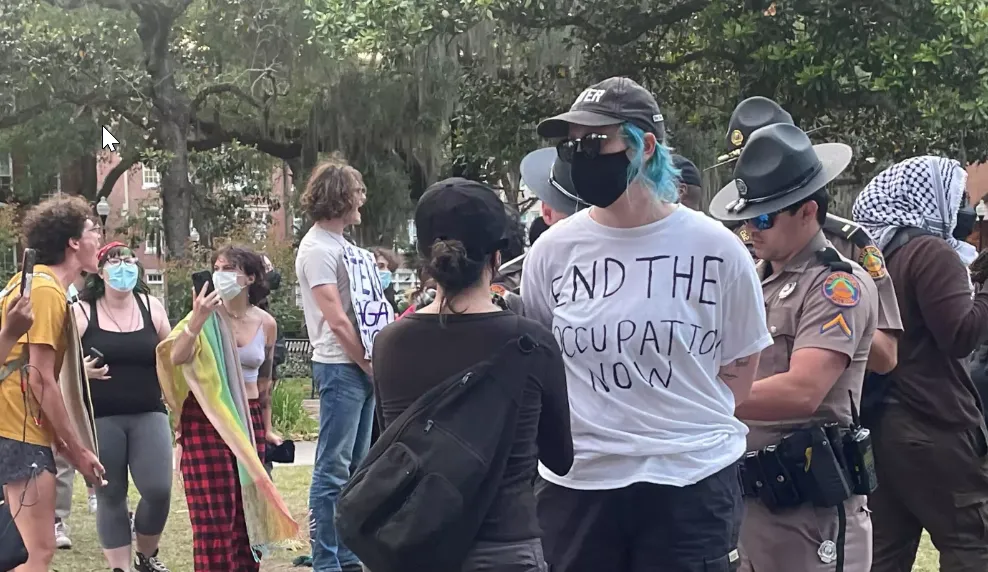
Of the nine protesters who were arrested, at least seven were either UF students at the time or alumni. The protesters were charged with a variety of misdemeanors, including trespassing, failing to obey a lawful order, resisting without violence and wearing a mask on public property.
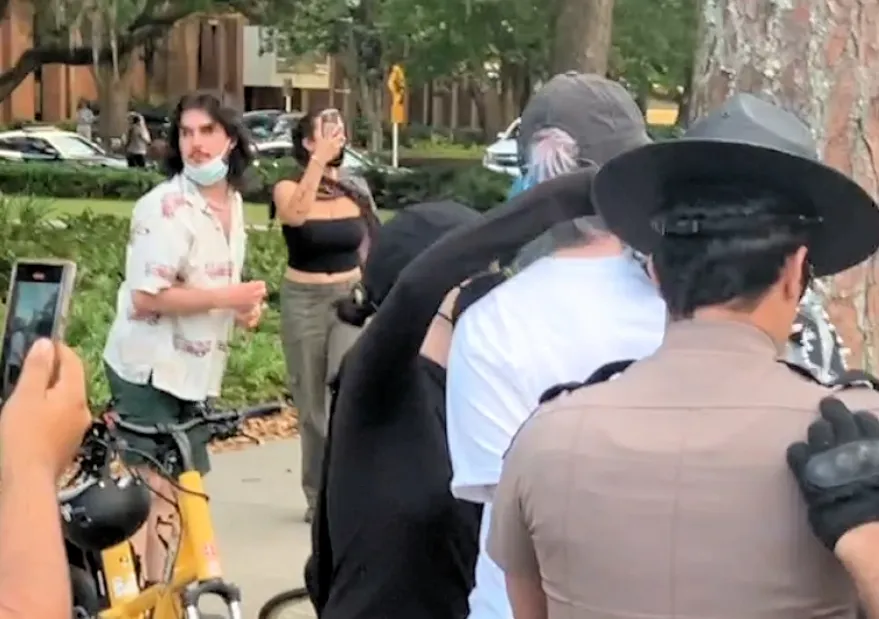
One student, Allan Hektor Frasheri, was charged with felony battery on a law enforcement officer after an officer reported that he spat on her arm while she was escorting another arrested protester.
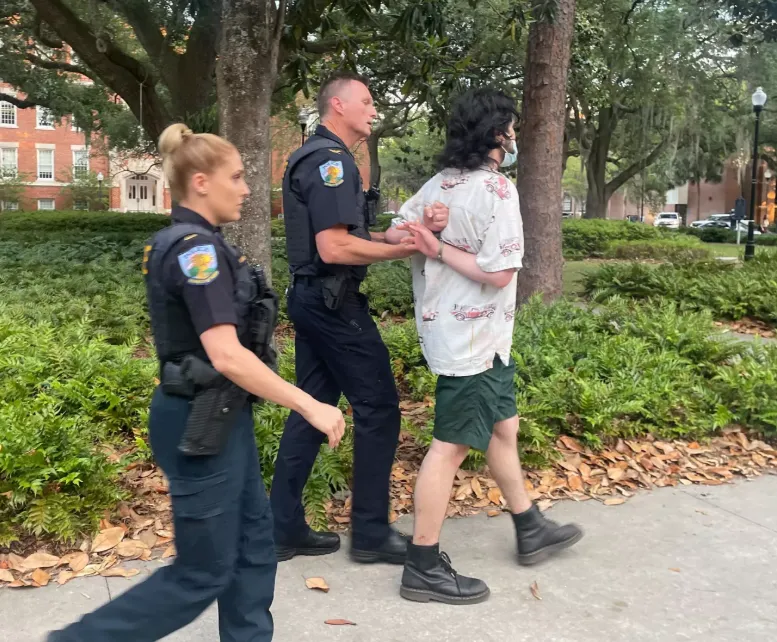
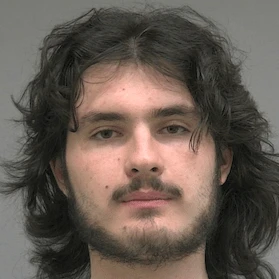
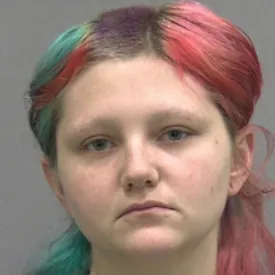
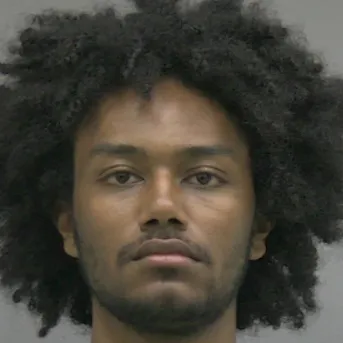
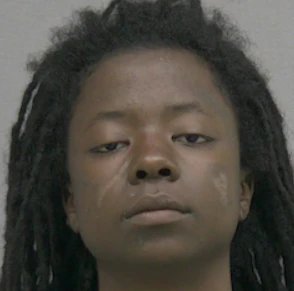
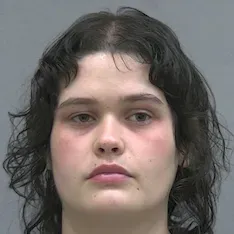
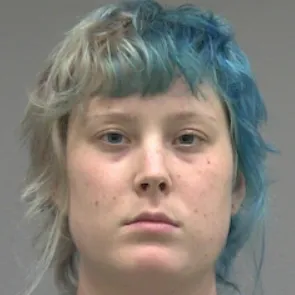
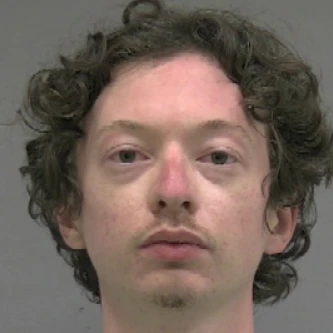
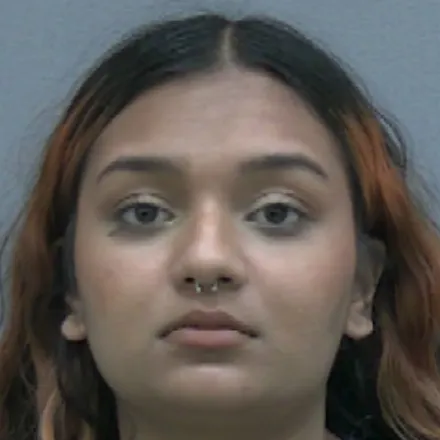
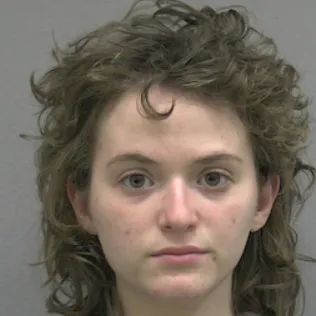
The arrestees were identified as:
- Tess Jaden Segal, 20, a sustainability major from Weston, Florida
- Augustino Matthias Pulliam, 20, a former theater major from Jacksonville, Florida
- Charly Keanu Pringle, 21, of Jacksonville, Florida
- Parker Stanley Hovis, 26, a computer science major from Gainesville, Florida
- Keely Nicole Gliwa, 23, a biochemistry and molecular biology major from Gainesville, Florida
- Allan Hektor Frasheri, 20, a philosophy major from Largo, Florida
- Roseanna Yashoda Bisram, 20, an engineering studies major from Ocala, Florida
- Allison Marie Rooney, 23, of Valrico
- Mary Caitlin Boerboom, 24, a former philosophy major from Chesapeake, Virginia
Release and Consequences
All nine arrestees were released the next day without bail, except for Frasheri, who posted $5,000 to secure his freedom.
As promised, the university suspended all of the arrested students for three years, except Frasheri, who was suspended for four years and banned from campus for three years. To resume their studies, the students will have to reapply to the university.
In issuing the suspensions, the UF Dean of Students Office overruled recommendations made by the Student Conduct Committee (SCC), a body of faculty, staff and students that reviewed the cases.
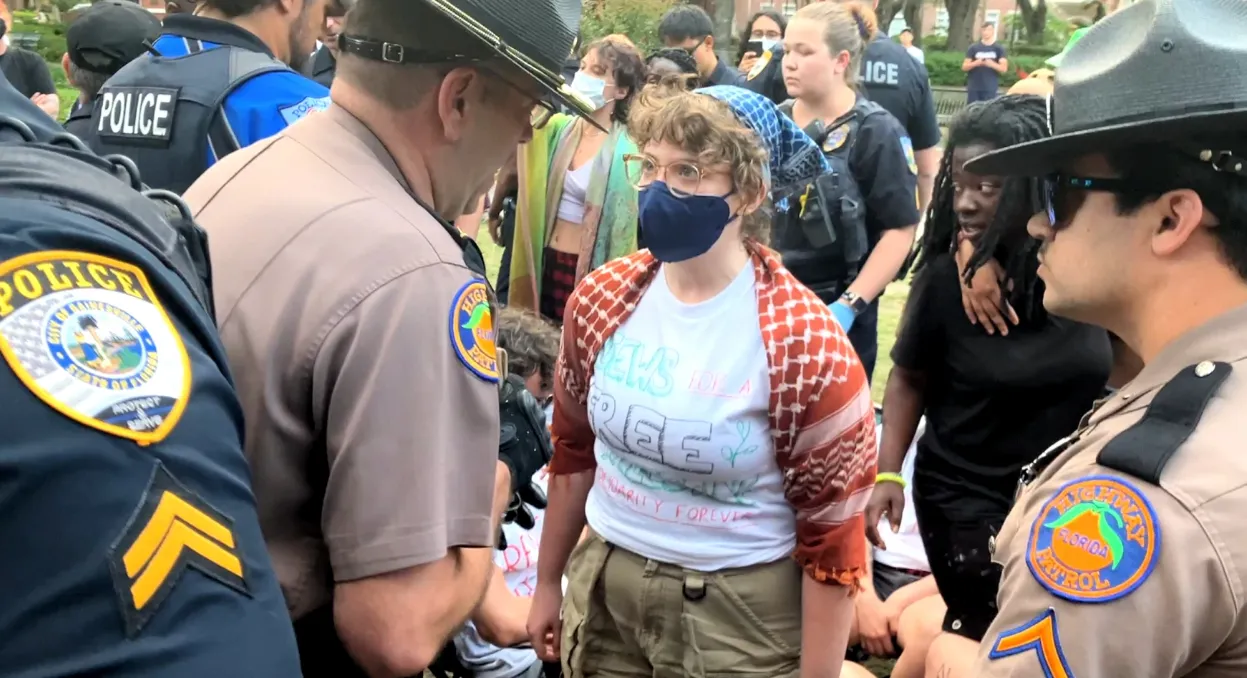
The committee recommended suspension ranging from one to four years and academic probation, according to a July 8 press release from Tess Segal, one of the arrestees. No further information is available as student conduct hearings are shielded from public view under federal law.
Six of the UF students accepted plea deals that carried minimal consequences for their actions.
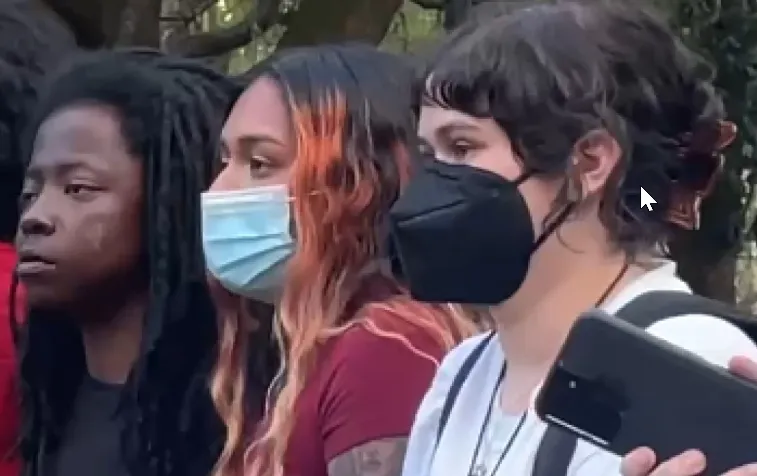
Two of the students, Gliwa and Bisram, accepted a deal that required them to plead no contest to a single count of resisting an officer without violence. Each was ordered to pay $150 in court fees and $150 to specific children’s charities in exchange for no jail time.
Frasheri also accepted a plea deal that allowed him to avoid jail time. Frasheri was ordered to apologize in a letter to the officer whom he spat on and undergo a mental health evaluation. He was also put on probation for 18 months.
One student, Hovis, who was arrested for sitting on a folding chair, had the charges against him dismissed. Hovis was initially charged with trespassing and resisting an officer without violence. His lawyer successfully argued that his arrest was unlawful because using a chair did not violate established university policy, and testimony indicated that chairs had never been grounds for arrest previously.
Nevertheless, the university suspended Hovis for three years and banned him from campus until April 2027. The university denied his appeals to have the suspension overturned.
In late August 2024, Pringle, who was not a student but was banned from campus for three years, was re-arrested after UF police officers encountered her on campus.
Governor DeSantis Reacts
Two weeks after the encampment, Florida Governor Ron DeSantis spoke at the site of the protest. DeSantis condemned protestors and “elite universities that have allowed themselves to be overrun with encampments.”
“We will not let the inmates run the asylum in the Sunshine State,” he said.
DeSantis further denounced the protestors as "imbeciles" supporting a "cheap cause." He stated that advocating for a Palestinian state amounted to endorsing a "second Holocaust."
Ray Rodrigues, chancellor of the State University System, joined DeSantis in condemning the protestors and said the state would not give in to their demands.
“In Florida, there will be no negotiations,” Rodrigues said. “There will be no appeasement, there will be no amnesty, and there will be no divestment.”
UF President Ben Sasse expressed his support for free speech on UF’s campus but said protestors must obey campus guidelines. In an op-ed in the Wall Street Journal, Sasse defended free speech on campus, but criticized the “asinine entitlement” of the protestors, describing them as “young men and women with little grasp of geography or history.”