Louisville Ceasefire Coalition Members Arrested
Group blocks entrances to businesses to protest Israel
Louisville Ceasefire Coalition Members Arrested
Group blocks entrances to businesses to protest Israel
Share:

Protesters Face Consequences
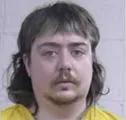
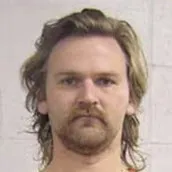
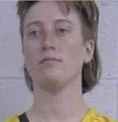
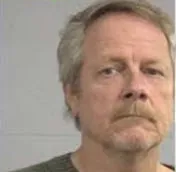
In the early morning hours of February 2, 2024, 15 members of the Louisville Ceasefire Coalition, a grassroots anti-Israel group, were arrested for blocking entrances to Raytheon (RTX) and BAE Systems facilities in Louisville, Kentucky.
At 5:30 am, protesters blocked the gates and roadways at the entrances to the Naval Ordnance, an industrial complex that houses the two businesses. Protesters claimed the companies manufacture weapons slated to be used in Israel’s war against Hamas.
After multiple warnings by police ordering protesters to leave, the group was arrested. All were charged with trespass upon key infrastructure, a class B misdemeanor.
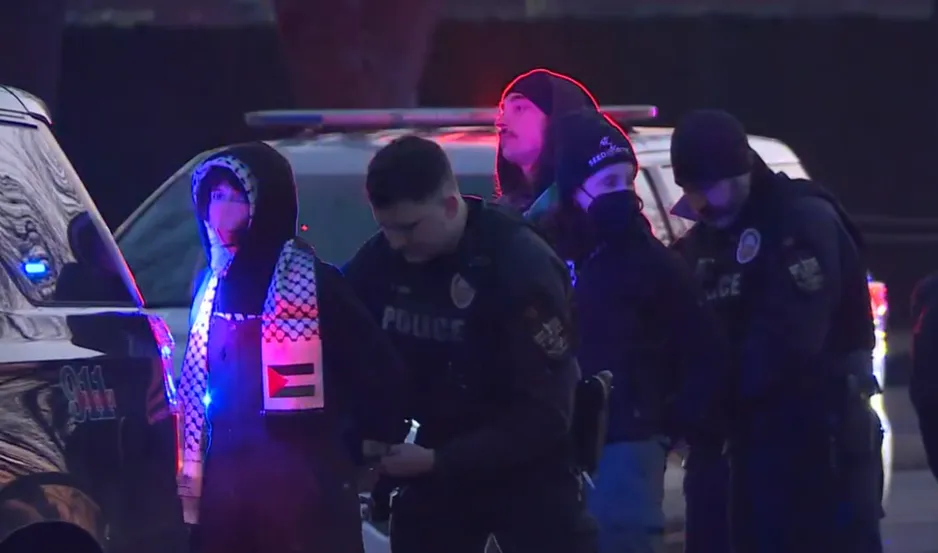
Protesters say they were demonstrating for “peace” and ”thrown off, taken aback” by police giving them warnings before they made the arrests.
The Louisville Ceasefire Coalition was formed after the October 7, 2023 terror attack in which Hamas terrorists from Gaza crossed into Israel and proceeded to rape, mutilate and kill 1,200 citizens (including 40 Americans) and kidnap 251 more (including 12 Americans).
The group includes various activist organizations, primarily the Louisville Showing Up for Racial Justice (LSURJ) organization and the Louisville Chapter of the Fellowship of Reconciliation. It previously organized marches, rallies and vigils in Louisville calling for a ceasefire, which is understood as support for Hamas.
Arrestees: Charges and Resolution
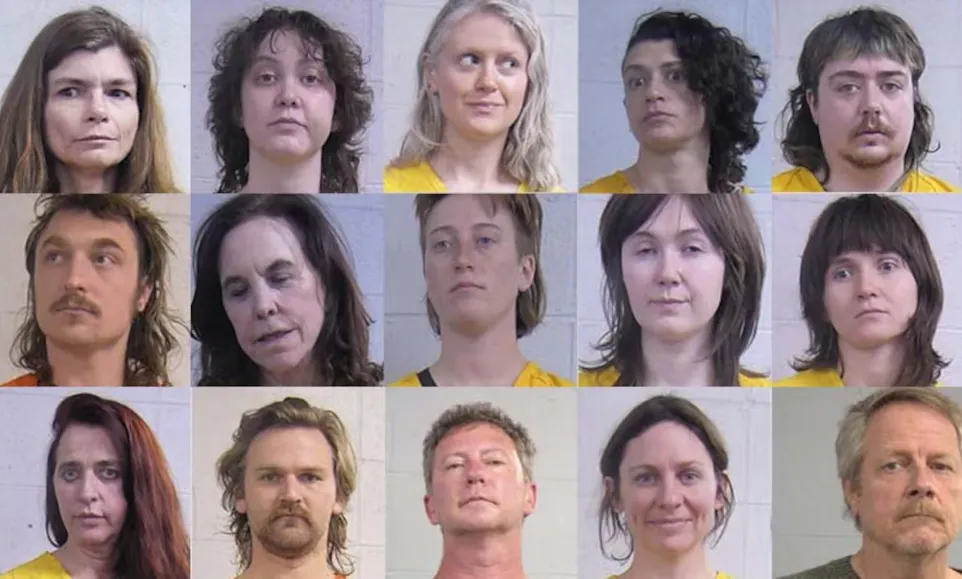
The protesters were charged under a specific "trespassing on key infrastructure" statute.
The charge carries a potential 60-day jail term. To avoid that penalty, the arrestees chose two different legal paths. Ten opted for a plea deal, the terms of which included entering a guilty plea and then receiving a diverted judgment. The diversion consisted of community service and unsupervised probation.
According to the plea deal, the charges would be dismissed and expunged from each individual’s record upon successful completion of the diversion.
The arrestees who chose a plea deal were:
- Carla Wallace, a well-known local activist and co-founder of LSURJ. Wallace was also arrested in 2018 for her role in a disruptive Occupy ICE-Louisville protest.
- Destiny Petitt, a legal assistant
- Colleen Linehan, a local baker who also goes by the name Frances Rose
- Hannah Rego, a self-described "retiring writer," PhD student and editor at "ctrl + v journal"
- Zachary Hutchinson, a zipline instructor
- Kelsey Voit, a farm and facilities manager at a food project
- Austin Smith
- Emma Anderson, an employee of a tenant organization
- Isaac Fosl-Vanwyke, a self-described “songwriter & puppeteer”
- Valerie Magneson, a landscaper
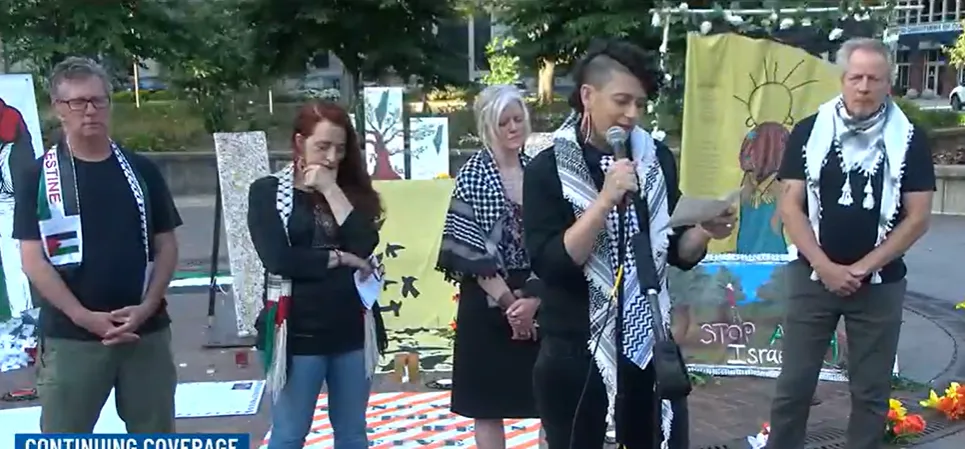
Five of the protesters chose to fight the charge in court. Their attorneys planned to argue a "choice of evils" defense, claiming that the protesters' actions were necessary to prevent a greater harm, namely, the killing of civilians in Gaza.
However, the judge imposed a gag order prohibiting discussion of any mention of "genocide,” “Palestine” or the broader Israel-Hamas war during the trial.
The defense ultimately chose to argue that the protest was a necessary dissent against weapons manufacturing. This was ultimately rejected by the jury, which found all five guilty on June 24, 2025. However, instead of jail time, the judge ordered each protester to pay a $125 fine.
The five defendants were:
- (Scott) Rosario Mottola, a writer, organizer and former firefighter who was a founding board member of Locals for Liberation
- Sonja Devries, a high school teacher who also goes by Sonja Wilde-de Vries
- Gregory Tichenor, a high school teacher
- Robert (Bob) Eiden, who was charged in 2020 with 34 incidents of vandalism for political graffiti, with estimated damages between $43,000 and $68,000. He was also arrested in 2018 at a disruptive Occupy ICE-Louisville protest and charged with second-degree criminal trespass
- Ashley Eisenmenger, a “packout associate” at a furniture company
The "Choice of Evils" Defense

Historically, U.S. courts have rejected this defense in political protest cases for a number of reasons:
- Legal Alternatives: Judges often rule that protesters had legal ways to voice their dissent (e.g., lobbying, voting, rallies), so breaking the law was not "necessary."
- Imminence: Courts typically require the "greater evil" to be an immediate, physical threat that the defendant's specific act could actually stop. In cases involving Israel, the link between blocking a local facility and stopping a foreign war is too remote.
- Preclusion: In many jurisdictions, this defense is barred if the legislature has already weighed the “evils.” In the Louisville case, this was already accomplished by the legislature passing a law to protect "key infrastructure."
The above three reasons likely caused the judge to put a gag order on this defense.
To read more about how the “Choice of Evils” defense is making inroads in the U.S. and the UK, read our blog:
How Anti-Israel Protesters Avoid Consequences for Violent Vandalism