New Mexico State University: A ‘Peaceful’ Pro-Hamas Protest
Pro-Terror Stance Devolves Into Violence
New Mexico State University: A ‘Peaceful’ Pro-Hamas Protest
Pro-Terror Stance Devolves Into Violence
Share:

Executive Summary
What began at New Mexico State University (NMSU) with the fantasy of “setting an example of the beauty” of an anti-Israel encampment (as described by one professor) ended with the arrest of students who attacked police, removing them from an illegal occupation of an administration building.
“NMSU is setting an example of beauty, how they listen to their students, how they open the space for free speech and continue to learn and teach the students,” said Palestinian professor and co-founder of the Department of Borderlands and Ethnic Studies Manal Hamzeh. “We are showing a different way of dealing with this crisis — with this genocide — differently than any other university.”
Just days later, on May 9, 2024, student protesters – angry that the regents did not take up the group’s demand for a ceasefire resolution – stormed into Hadley Hall, the site of the president’s office and other administrative offices.
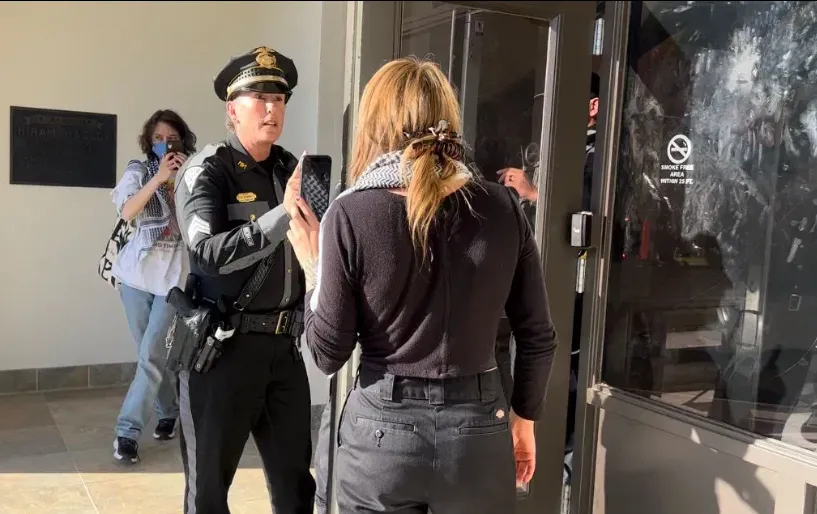
After refusing to leave at the end of business hours and ignoring multiple warnings, police were compelled to forcefully remove the protesters, as well as their violent supporters outside the building who attempted to block the operation, broke a window and cursed at and spat on the officers.
During the encampment, representatives of the regents spoke with the students as did the university’s office of diversity, equity and inclusion. The administration also dialogued with the students “almost daily.”
Yet, in the aftermath of the removal, one protester complained, “They stonewalled our efforts, they ignored us completely, basically sided with genocide."
Encampment
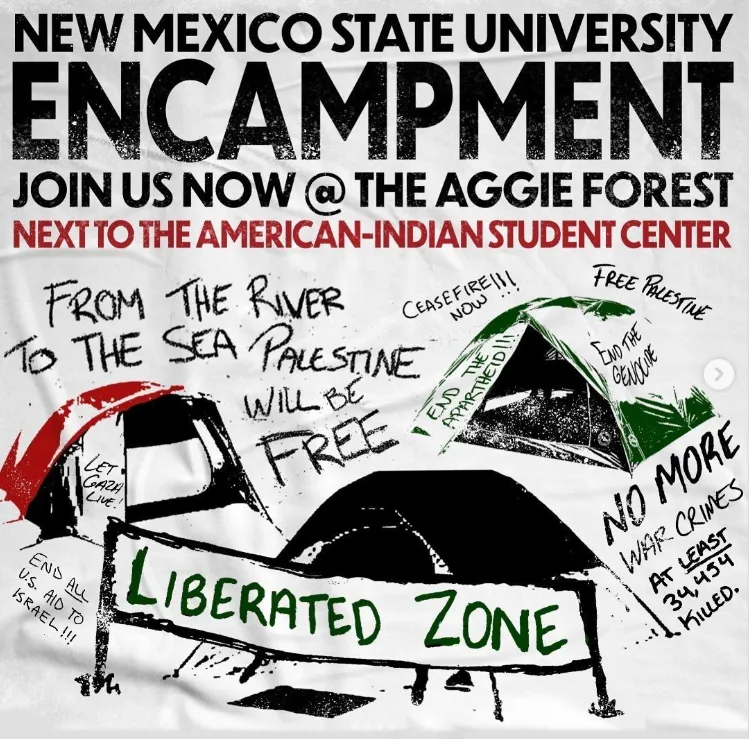
Students at NMSU established a small encampment, which they dubbed the “liberated zone,” in a public area on campus on April 29, 2024, joining a wave of nationwide encampments in support of the terror group Hamas in Gaza.
The students, who were affiliated with the group Las Cruces for Palestine quickly issued their demands:
- Disclosure of the university’s investments
- Divestment from corporations or funds that profit from Israel’s military actions in Gaza
- A call for a ceasefire from the university regents
- A boycott of Israeli educational institutions, including termination of international study agreements, grants, scholarships, etc.
The next day, NMSU’s interim president, Mónica Torres, wrote a conciliatory message to the students:
“We know universities around the country are experiencing similar protests. Constitutionally, people in the U.S. have a right to protest peacefully, and public universities have a duty to respect, facilitate and protect this right. Efforts are being made to ensure First Amendment free speech protections are honored while ensuring the safety of our campus population.
“A team of university leaders met with protesters shortly after they set up camp, and again the following morning. I, along with outgoing Interim President Jay Gogue and Interim Provost Lakshmi Reddi met with this team yesterday afternoon. We encourage open dialogue to ensure all voices are heard at this time.”
At the time, organizers were forced to admit that the university was “accommodating of our presence here.”
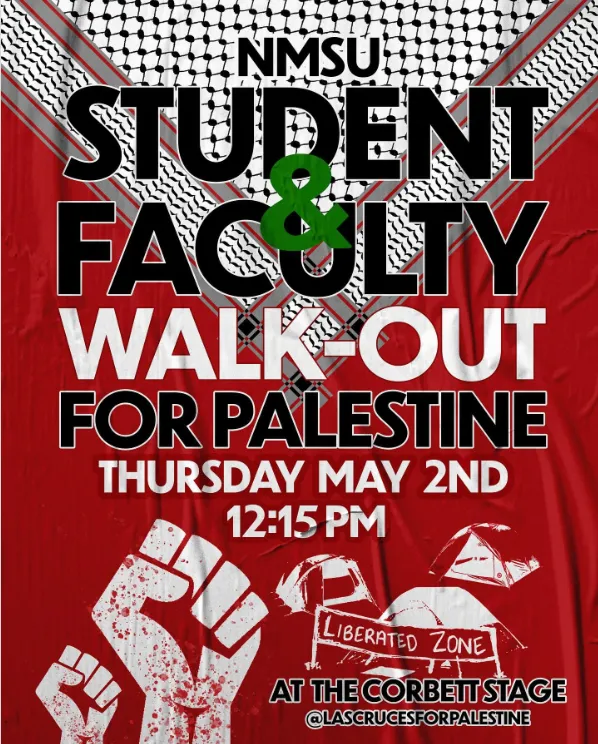
Nevertheless, the next day, May 2, 2024, organizers escalated, staging a “solidarity walkout,” which was joined by students and faculty. At the walkout, encampment organizers vowed to stay until the university agreed to their demands.
Dismantlement
On May 5, 2024, at the beginning of the last week before finals, NMSU’s interim president, Mónica Torres, sent a letter to the protesters addressing their demands.
In the letter, Torres said that the university had not located any investments in corporations or funds that profit from Israel’s military actions in Gaza, noting that, unlike other universities around the country, NMSU did not have a “vast international footprint when it comes to investments, collaborations and research programs.”
However, she further stated, “... as an educational institution, one of our most important tenets is that we support academic freedom. This means our university does not prevent our faculty members and students from pursuing research and learning the fields they choose, whatever or wherever those may be.
Citing university policies and safety concerns regarding overnight camping, Torres then asked the students to “think through what it might look like for you to remove your tents from campus and continue your efforts through other peaceful means; knowing that we are committed to meeting with you to discuss continued opportunities and a path forward through dialogue.” union building.
The same day, it became known to the protesters that the regents did not take up their ceasefire resolutions.
The next morning, possibly fearing a police action (judging from encampment clearings on campuses nationwide), protesters packed up and left the area.
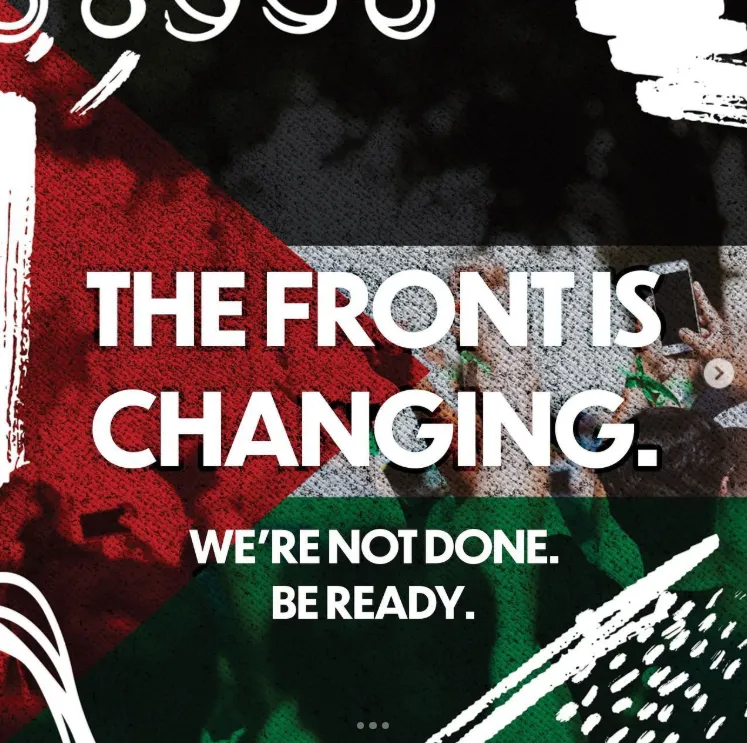
Yet a defiant post on Las Cruces for Palestine’s Instagram page indicated that the group would not acquiesce quietly:
“The administration’s response is a blatant circumvention of the needs of Palestinians and the demands of New Mexico State University students. In lieu of this response, paired with numerous threats to our safety, we are reorganizing our efforts in an attempt to strategize and continue building momentum until the University meets our demands. The fight is not over, the front has changed. Be ready.
“Viva Palestina.”
Occupation of Admin Building
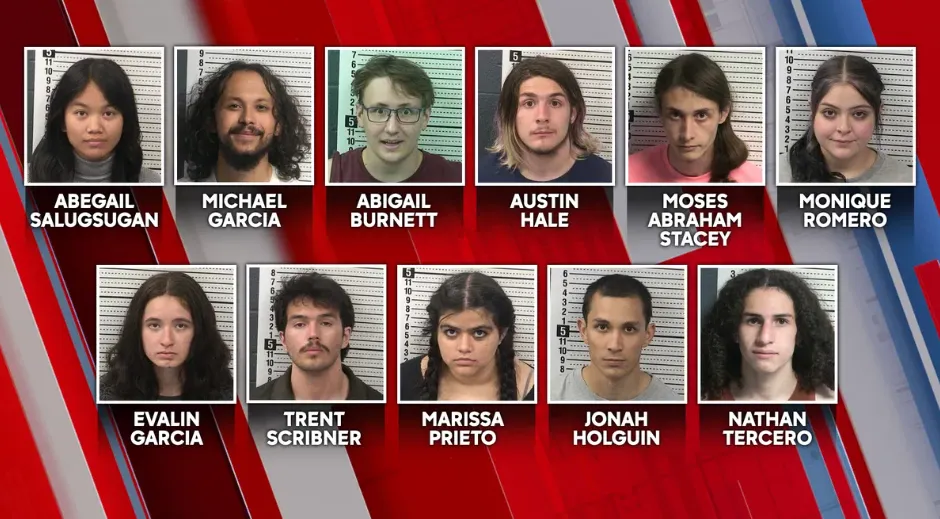
On May 9, 2024, following a meeting with the administration, organizers reported that no “progress” was made on the group’s demands.
That afternoon at 4:30 pm, protesters poured into Hadley Hall to present Torres with a petition calling for the university to call for a ceasefire in Gaza. Torres’ offices were locked, and it appeared she had left for the day.
"So we decided to go ahead, sit down in the lobby, link arms and wait for them to hear our demands," said Dylan Davis, a student involved in the protest.
Local news reported that police arrived and told the students they had until 5 p.m. to leave the building. Reports also indicate that more protesters entered the building and surrounded the police.
At 5 p.m., the police locked the doors, the normal time the building closed. Outside, more aggressive protesters gathered. The group inside, which was livestreaming the protest on Instagram, had called for reinforcements to “help the occupation.”
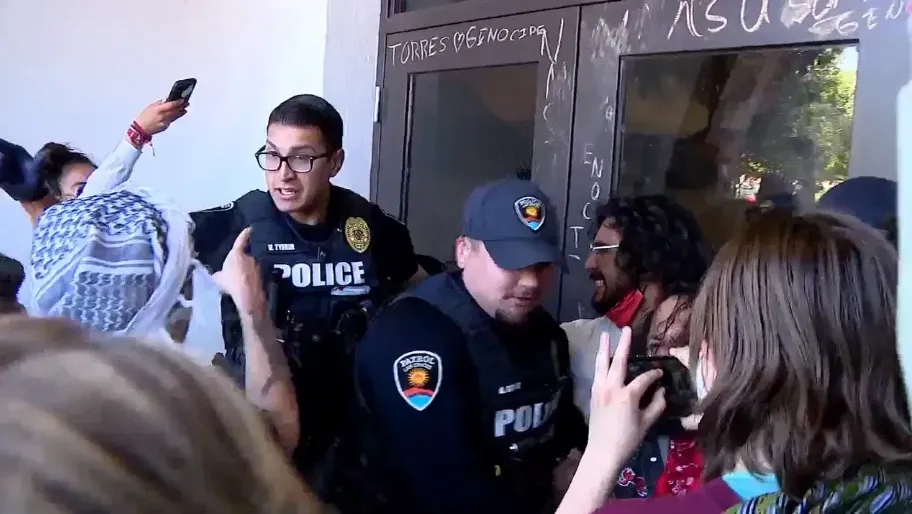
The group outside cursed the officers and banged on the windows, chanting “Viva! Viva! Palestina!” They screamed, “You don’t keep anyone safe! … You don’t protect the students; you protect the money!”
The banging was violent enough to break a window.
For an hour, the group of about 12-16 protesters was repeatedly asked to leave. On bodycam footage, one officer can be heard saying, “We’re not here to infringe on your First Amendment right or freedom of speech. It's just now it's after five o'clock in this building. We got to ask you guys to leave.”
At 6 pm, with protesters blocking the doors from the outside, police issued a final warning: “Please at this time, stand up [inaudible]. If not, you’ll be arrested.”
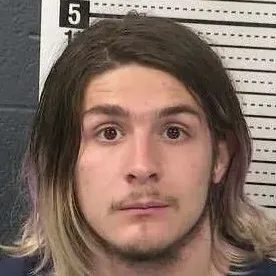
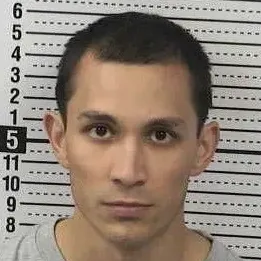
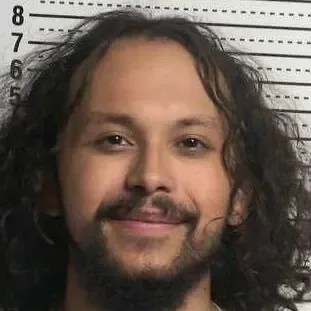
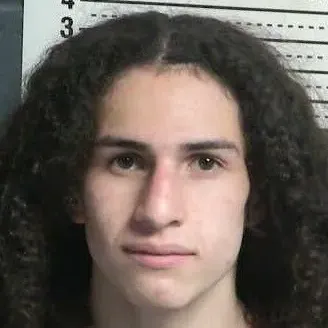
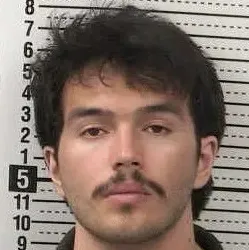
Protesters who were sitting down, arms locked to each other, were then removed one by one and arrested, as were a number of protesters on the outside who fought with police. Charges varied from misdemeanor criminal trespass, misdemeanor resisting/obstructing an officer, felony battery on a peace officer and felony criminal damage to property.
The next morning, Torres issued a statement through a memo to the university system, saying the group of protesters included "students and others," as well as an observer who was permitted inside to document events.
In addition to a broken window, Torres said the building had been defaced with graffiti overnight but was already open for business. Commencement ceremonies would proceed as scheduled, she said.
"Much like other universities around the country, we have seen students, faculty and community members participating in Palestinian solidarity demonstrations on our campus for the past two weeks," Torres wrote. "We have said from the beginning that people in the U.S. have a Constitutional right to protest peacefully. People do not, however, have the right to interfere with university operations, damage property, or to spit on or strike police officers."
Torres also noted that university leaders had met with protesters "almost daily" since the beginning of the encampment to listen to their demands and de-escalate tensions.
However, that appeared not to be enough for one of the protesters, who told a local news station, “They stonewalled our efforts, they ignored us completely, basically sided with genocide.”